Various Retailers have
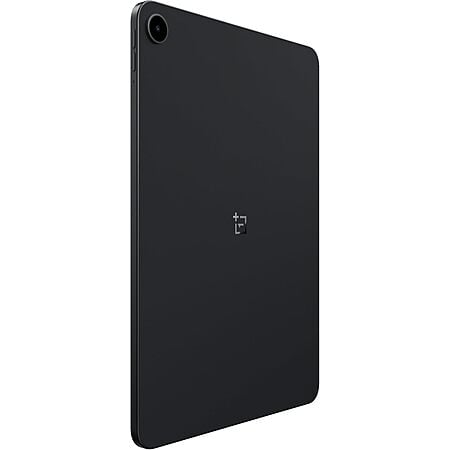
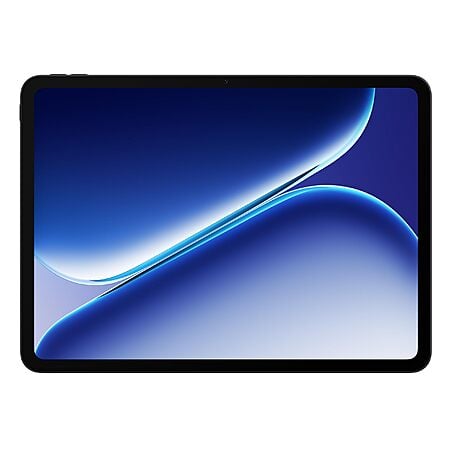
128GB OnePlus Pad Go 2 WiFi Android Tablet (Shadow Black, OPD2504) on sale for
$299.99.
Shipping is free.
Thanks to community members
r3p3ro and
nick06770 for finding this deal.
Available from:
- Amazon $299.99
- One Plus $299.99
- Includes choice of one free gift item w/ purchase (select on product page)
- OnePlus Pad Go 2 Stylo stylus
- or OnePlus Pad Go 2 Folio Case
- One Plus via Best Buy $299.99
Product Specs:
- 12.1" 2800x1980 120Hz Dolby Vision HDR10+ 900-nit IPS display
- MediaTek Dimensity 7300 Ultra Octa-core Processor
- 8GB RAM
- 128GB UFS 3.1 Internal Storage
- Cameras: 8MP (front) w/ face unlock support | 8MP (rear)
- 802.11ax WiFi 6 / Bluetooth 5.4
- USB 2.0 Type-C Port w/ 33W wired charging
- Reverse wired charging support
- 10050 mAh Battery
- Android 16 (OxygenOS 16)
- Note: No 3.5mm audio jack, No NFC



 + Free S&Hat Amazon


Top Comments
Community Reviews
The OnePlus Pad Go 2 is a 12 inch Android tablet that stands out for its 7 to 5 display, which gives more usable screen space for reading and multitasking than 16 to 10 designs. The Dimensity 7300 is described as decent for the price, with performance ahead of Samsung A11 class tablets and close to some lower midrange rivals. The main knocks are that $300 feels high next to faster iPad and Samsung options, and the WiFi model appears to lack microSD expansion in the USA. Update support also looks uncertain, making it a better fit for buyers who value the screen shape over top tier speed.
Common Questions (5)
The 7:5 panel gives more usable screen area than 16:10 on a similar 12-inch tablet, but movies and TV show more black bars than on 16:9 or 16:10 screens. It is better suited to reading and productivity than to maximizing video fill.
At $300, the Dimensity 7300 is viewed as decent but not class-leading; it is described as faster than Samsung's A11+ and Snapdragon 6 Gen 1, but slower than a Pixel Tablet and far behind iPad-class or higher-end Android tablets. Several comments suggest saving $100 for a cheaper A11 or spending about $100 more for an S-series or M3 iPad Air if you want noticeably better performance.
The USA WiFi-only unit reportedly has no microSD slot, and the official OnePlus site does not mention expandable storage. A tray image appears on GSMArena, so availability may vary by market or production run.
Starting in September 2026, Google plans stricter developer verification and a 24-hour waiting period for apps from unverified developers on certified Android devices. That can make sideloading harder and may affect emulators or other non-Play Store apps.
It should not be expected to get many OS updates, and one report says a device never received a single update. That makes long-term software support a concern if you plan to keep the tablet for years.
AI-generated summary based on comments from the community. Updated ago
Join The Conversation
Share your experience with the Slickdeals community
Share information with the community. Please follow our Community Guidelines and be kind!
45 Comments
Sign up for a Slickdeals account to remove this ad.
Our community has rated this post as helpful. If you agree, why not thank
Our community has rated this post as helpful. If you agree, why not thank
Our community has rated this post as helpful. If you agree, why not thank
Sign up for a Slickdeals account to remove this ad.
I remember the non-Go Pad 2 was on sale for $50 more with a SD 8 Gen 3 and more storage/RAM so either way this isn't that good of a deal. Apple isn't a "value leader" considering Android tablets like the S9 or OnePlus Pad 2 have comparable performance and more storage at the same price points, and few people use their tablets for intensive work, in which case they would get Pro-grade tablets. This is SD we are comparing sale prices not MSRP, and the benefit and drawback of Apple products is that the old ones hold their value... The S9 in particular is a little old but far cheaper for an OLED screen and expandable storage than the iPad Air. It was on sale for as little as $273 open-box Christmas last year.
Gemini summary abstract:
Starting in September 2026, Google is implementing major Android restrictions focusing on stricter sideloading rules and developer verification. Apps from unverified developers will face a 24-hour waiting period to install, and all apps on certified devices must pass verification, tightening control over non-Play Store applications, particularly in select regions initially.
Reddit +3
Key Upcoming Restrictions & Changes (2026)
- Sideloading Lockdown (Sept 2026): Installing apps from developers not verified by Google will become much harder. Unverified apps will require a 24-hour "protective waiting period" during which a reboot takes place, specifically to curb malware and financial scams.
- Mandatory Developer Registration: Developers, including hobbyists or those using GitHub, must register, pay a fee, provide ID, and verify signing keys to install apps on certified Google devices.
- Android 16/17 Behavioral Restrictions:
- Android 16: Apps targeting API level 36+ will be forced into a "universal resizable" mode, ignoring fixed orientation or aspect ratios.
- Android 15+: Stricter limitations on BOOT_COMPLETED receivers for launching foreground services (e.g., dataSync, camera, media).
- Security Patch Endings: Support for Android 13 is ending in early 2026, following the end of support for Android 12, making older devices vulnerable.
- Regional Rollout: The strict verification rules will start in Brazil, Indonesia, Singapore, and Thailand in September 2026 before going global by 2027.
These changes represent a significant tightening of Android's open ecosystem, making it more similar to the restricted environment of iOS.Android Developers +7
Oddly enough Apply has been the best value in tablets for a very long time now. The thick 10's and the mini's with the occasional thin variants going on sale. I have clean Android boxes on every tv in the house setup and a pixel 10 pro as my phone. I am a proper apple hater but I'm working on degoogling myself since they've proven to be a bad company.
Gemini summary abstract:
Starting in September 2026, Google is implementing major Android restrictions focusing on stricter sideloading rules and developer verification. Apps from unverified developers will face a 24-hour waiting period to install, and all apps on certified devices must pass verification, tightening control over non-Play Store applications, particularly in select regions initially.
Reddit +3
Key Upcoming Restrictions & Changes (2026)
- Sideloading Lockdown (Sept 2026): Installing apps from developers not verified by Google will become much harder. Unverified apps will require a 24-hour "protective waiting period" during which a reboot takes place, specifically to curb malware and financial scams.
- Mandatory Developer Registration: Developers, including hobbyists or those using GitHub, must register, pay a fee, provide ID, and verify signing keys to install apps on certified Google devices.
- Android 16/17 Behavioral Restrictions:
- Android 16: Apps targeting API level 36+ will be forced into a "universal resizable" mode, ignoring fixed orientation or aspect ratios.
- Android 15+: Stricter limitations on BOOT_COMPLETED receivers for launching foreground services (e.g., dataSync, camera, media).
- Security Patch Endings: Support for Android 13 is ending in early 2026, following the end of support for Android 12, making older devices vulnerable.
- Regional Rollout: The strict verification rules will start in Brazil, Indonesia, Singapore, and Thailand in September 2026 before going global by 2027.
These changes represent a significant tightening of Android's open ecosystem, making it more similar to the restricted environment of iOS.Android Developers +7
Sign up for a Slickdeals account to remove this ad.
Join The Conversation
Share your experience with the Slickdeals community
Share information with the community. Please follow our Community Guidelines and be kind!