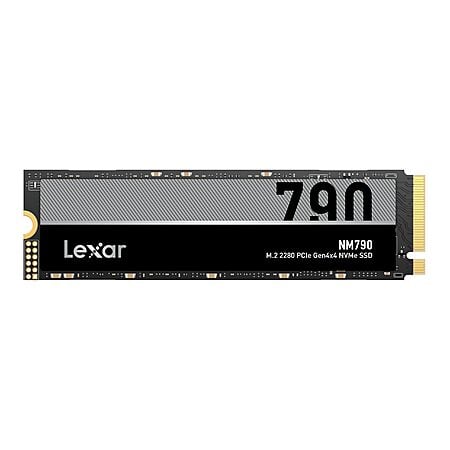
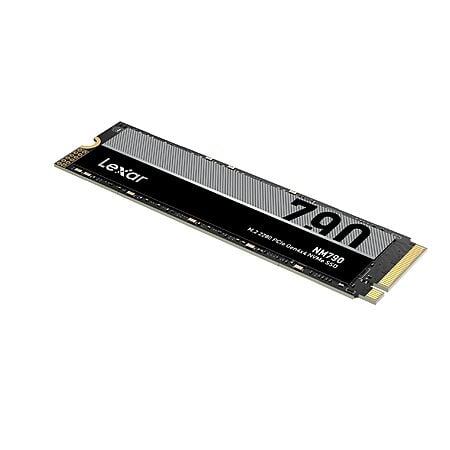
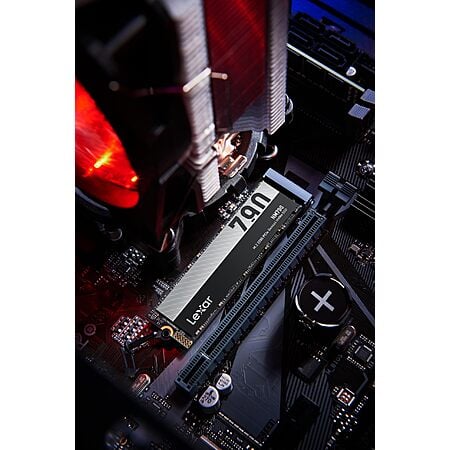
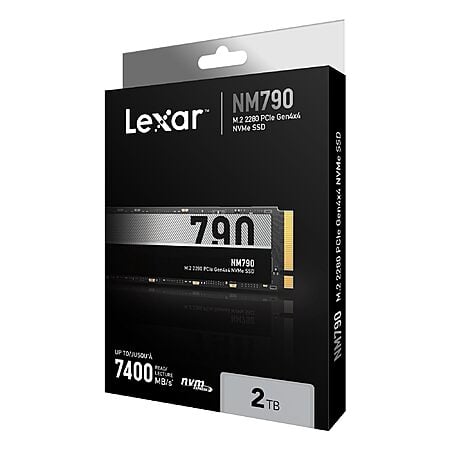
Amazon[amazon.com] has 2TB Lexar NM790 PCIe Gen 4x4 NVMe M.2 Internal SSD Solid State Drive on sale for $109.99. Shipping is free.
SSD Specs:
PS5 compatible
Performance up to 7400MB/s read, 6500MB/s write
1500TBW endurance
Five-year limited warranty
DRAMless, but supports Host Memory Buffer (HMB)
Community Notes
This collaborative space allows users to contribute additional information, tips, and insights to enhance the original deal post. Feel free to share your knowledge and help fellow shoppers make informed decisions.
I believe it's a reference to the amount of times you could write over the entire disk. The 4TB has 3000 TBW. I have several of them in a low powered NAS and they have been great. I bought them several months ago at $210/each. They are at $230/each now. Hoping they get closer to $200 so I could snag a few more. They have been rock solid.
TBW stands for Total Bytes Written, which indicates the total amount of data that can be written to a solid-state drive (SSD) over its lifespan before it may start to fail. A higher TBW rating generally means the SSD has greater endurance and can handle more data writing before its memory cells degrade.
Our community has rated this post as helpful. If you agree, why not thank
Quote
from zzn10
:
What is that mean?
TBW is total bytes written. The flash memory used in SSDs "wears out" every time you write to it and it'll eventually stop working. TBW is a rough metric of how much use you'll get out of the drive before it's bricked.
But in practical terms, unless you're doing something extremely data intensive like video editing or running multiple databases, you can just ignore TBW. The average person doesn't write anywhere enough data to come anywhere close to the TBW rating. It was important back when typical SSDs were 64 or even 32 GB. But with modern 1+ TB drives you can pretty much ignore it.
For example, I've had my 4 TB Samsung for 2 years now, and I actually do do some fairly intensive video editing (re-encode kdramas and anime to reduce their size before redistributing to my family and friends). In 2 years I've written just under 50 TB of data to the SSD. Meaning I'd hit the rated 1200 TBW in 48 years. An average user is probably closer to 10 TB per year (if that). So you should expect a 1200 TBW drive to last you about a century. I should really hope you'll have upgraded to something better within the next 100 years.
I had an old 250 GB Samsung Evo 750 I didn't need anymore. I threw it on a security camera system just to see what would happen. It's rated at 70 TBW, but lasted about 6 years and nearly 120 TBW before failing. It was recording over 50 GB of new video footage every day for 6 years. To hit 50 GB/day, you'd have to continuously copy movies encoded at 2 GB/hr onto the drive, and watch them 24 hours a day.
Last edited by Solandri November 27, 2025 at 10:38 AM.
I believe it's a reference to the amount of times you could write over the entire disk. The 4TB has 3000 TBW. I have several of them in a low powered NAS and they have been great. I bought them several months ago at $210/each. They are at $230/each now. Hoping they get closer to $200 so I could snag a few more. They have been rock solid.
Which nas are you using? Aren't HDD NAS's easier to recover data from if they ever get corrupted vs nvme?


 Amazon


Join The Conversation
Share your experience with the Slickdeals community
Share information with the community. Please follow our Community Guidelines and be kind!
10 Comments
Sign up for a Slickdeals account to remove this ad.
Our community has rated this post as helpful. If you agree, why not thank
Price at Launch: 110 USD
https://www.techpowerup
https://slickdeals.net/f/18644668-2tb-lexar-nm790-pcie-4-0-x4-nvme-m-2-internal-solid-state-drive-ssd-109-99-free-shipping
Sign up for a Slickdeals account to remove this ad.
Our community has rated this post as helpful. If you agree, why not thank
But in practical terms, unless you're doing something extremely data intensive like video editing or running multiple databases, you can just ignore TBW. The average person doesn't write anywhere enough data to come anywhere close to the TBW rating. It was important back when typical SSDs were 64 or even 32 GB. But with modern 1+ TB drives you can pretty much ignore it.
For example, I've had my 4 TB Samsung for 2 years now, and I actually do do some fairly intensive video editing (re-encode kdramas and anime to reduce their size before redistributing to my family and friends). In 2 years I've written just under 50 TB of data to the SSD. Meaning I'd hit the rated 1200 TBW in 48 years. An average user is probably closer to 10 TB per year (if that). So you should expect a 1200 TBW drive to last you about a century. I should really hope you'll have upgraded to something better within the next 100 years.
I had an old 250 GB Samsung Evo 750 I didn't need anymore. I threw it on a security camera system just to see what would happen. It's rated at 70 TBW, but lasted about 6 years and nearly 120 TBW before failing. It was recording over 50 GB of new video footage every day for 6 years. To hit 50 GB/day, you'd have to continuously copy movies encoded at 2 GB/hr onto the drive, and watch them 24 hours a day.
Join The Conversation
Share your experience with the Slickdeals community
Share information with the community. Please follow our Community Guidelines and be kind!