This collaborative space allows users to contribute additional information, tips, and insights to enhance the original deal post. Feel free to share your knowledge and help fellow shoppers make informed decisions.
Copying from another thread:
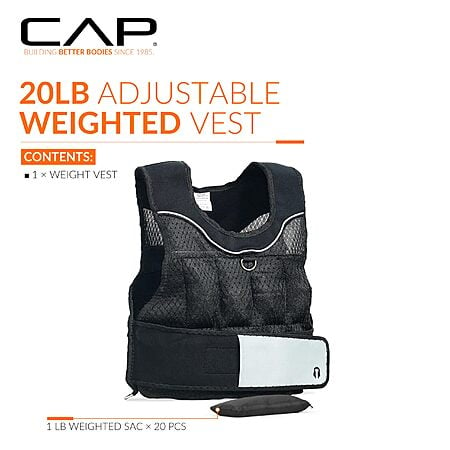
Personally I'd say it is running smaller than you expect. Also be aware about stitches on this thing since it is the only thing that holds weights. Mine was bad at some pockets and needed to be fixed. For the reference: I am typically buying medium sized jackets and sometimes large sized tees.
Non-adjustable ones are more stable. The vest style instead of the camelback style are less comfortable. 20 lbs is a heavy vest.
Beginner Level: Start with a vest weighing ~5% of your body weight (e.g., a 150 lb person should start with 7.5 lbs). Intermediate/Advanced: Move to 10–15% for added intensity, up to a maximum of 20% for highly experienced users Safety Limits: Do not exceed 20% of your body weight, as this increases the risk of joint injuries and spinal strain.
Brought this , arrived ,for $17 very happy with it ,perfect sizing I'm 5.8 240lb XL in shirt ,and it fits perfect will room,20lb vest at ross is$35 so this is a deal quality for the price is very good
Non-adjustable ones are more stable. The vest style instead of the camelback style are less comfortable. 20 lbs is a heavy vest.
Beginner Level: Start with a vest weighing ~5% of your body weight (e.g., a 150 lb person should start with 7.5 lbs). Intermediate/Advanced: Move to 10–15% for added intensity, up to a maximum of 20% for highly experienced users Safety Limits: Do not exceed 20% of your body weight, as this increases the risk of joint injuries and spinal strain.
AI generated nonsense. Weighted vests are no different than any other sort of weight training, progressive overload is the gold standard. Sure, don't start with a 40lb vest if you're a small woman. But a 7.5lb vest? Worthless, unless you're an actual child. If you actually calculate the additional calories burned for any given exercise that you'd be wearing one of these, you have to be a very, very small person for 20lbs to make a noticeable difference.
If you're a 200lb man, this vest is 10% of your body weight. If you walk at a brisk pace (3.5 mph or so) for a full hour, this vest will increase your calories burned by about 40-50 total calories. Stair stepper is going to be a bit more, but nonetheless, 10% of your body weight is honestly bare minimum to even make it remotely worth doing. And "advanced" users regularly ruck with 40-80lb backpacks uphill without a problem, well exceeding that 20% number you're saying you shouldn't go past.
Non-adjustable ones are more stable. The vest style instead of the camelback style are less comfortable. 20 lbs is a heavy vest.
Beginner Level: Start with a vest weighing ~5% of your body weight (e.g., a 150 lb person should start with 7.5 lbs). Intermediate/Advanced: Move to 10–15% for added intensity, up to a maximum of 20% for highly experienced users Safety Limits: Do not exceed 20% of your body weight, as this increases the risk of joint injuries and spinal strain.
I weight 112.8 lb today. I have no problem jogging with 30lb pack. Never had any injuries from going over 20% of my own body weight.

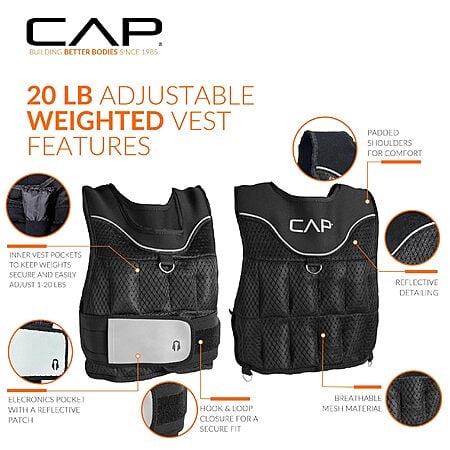
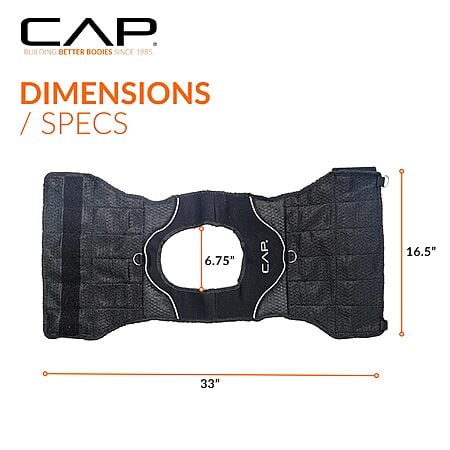
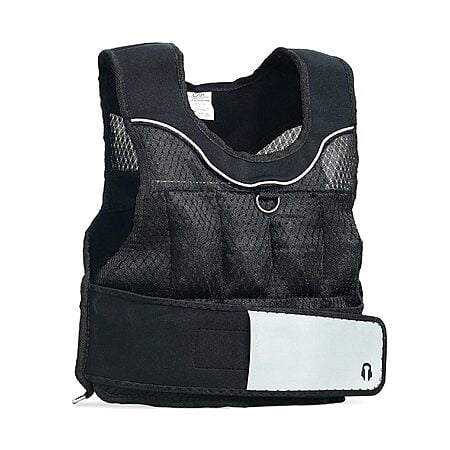

 Amazon


Join The Conversation
Share your experience with the Slickdeals community
Share information with the community. Please follow our Community Guidelines and be kind!
7 Comments
Sign up for a Slickdeals account to remove this ad.
Personally I'd say it is running smaller than you expect. Also be aware about stitches on this thing since it is the only thing that holds weights. Mine was bad at some pockets and needed to be fixed. For the reference: I am typically buying medium sized jackets and sometimes large sized tees.
Beginner Level: Start with a vest weighing ~5% of your body weight (e.g., a 150 lb person should start with 7.5 lbs).
Intermediate/Advanced: Move to 10–15% for added intensity, up to a maximum of 20% for highly experienced users
Safety Limits: Do not exceed 20% of your body weight, as this increases the risk of joint injuries and spinal strain.
Beginner Level: Start with a vest weighing ~5% of your body weight (e.g., a 150 lb person should start with 7.5 lbs).
Intermediate/Advanced: Move to 10–15% for added intensity, up to a maximum of 20% for highly experienced users
Safety Limits: Do not exceed 20% of your body weight, as this increases the risk of joint injuries and spinal strain.
If you're a 200lb man, this vest is 10% of your body weight. If you walk at a brisk pace (3.5 mph or so) for a full hour, this vest will increase your calories burned by about 40-50 total calories. Stair stepper is going to be a bit more, but nonetheless, 10% of your body weight is honestly bare minimum to even make it remotely worth doing. And "advanced" users regularly ruck with 40-80lb backpacks uphill without a problem, well exceeding that 20% number you're saying you shouldn't go past.
Beginner Level: Start with a vest weighing ~5% of your body weight (e.g., a 150 lb person should start with 7.5 lbs).
Intermediate/Advanced: Move to 10–15% for added intensity, up to a maximum of 20% for highly experienced users
Safety Limits: Do not exceed 20% of your body weight, as this increases the risk of joint injuries and spinal strain.
Join The Conversation
Share your experience with the Slickdeals community
Share information with the community. Please follow our Community Guidelines and be kind!